How concrete pumping fits into the CFA installation process
Once the CFA auger has reached the design depth, the next stage is concrete pumping. This is the phase where the pile is physically formed, with concrete delivered through the hollow auger stem under pressure as the auger is withdrawn, filling the bore from the bottom upwards. The way this is managed, from the specification of the concrete mix through to the rate of delivery and the coordination with auger withdrawal, has a direct bearing on the quality and consistency of the finished pile. Getting it right is a matter of preparation, logistics, and the right concrete specification for your specific ground conditions.
What the concrete pumping phase involves and why preparation matters
Concrete for CFA piling is pumped under pressure through the hollow stem of the auger from the bottom of the bore upwards, which places specific demands on the mix that standard concrete placement does not. The mix must be fluid enough to pump consistently through a narrow hollow stem, workable enough to allow reinforcement cage placement after the auger is withdrawn, and strong enough to achieve the required compressive strength on cure.
Pumping must begin the moment the auger reaches full depth. The delivery rate must be matched carefully to the auger withdrawal rate throughout the process. The concrete supply must be continuous and uninterrupted from start to finish. None of these requirements are difficult to meet with the right planning in place, but each of them needs to be thought through before the rig arrives on site rather than on the day.
How concrete is delivered and managed during CFA pile formation
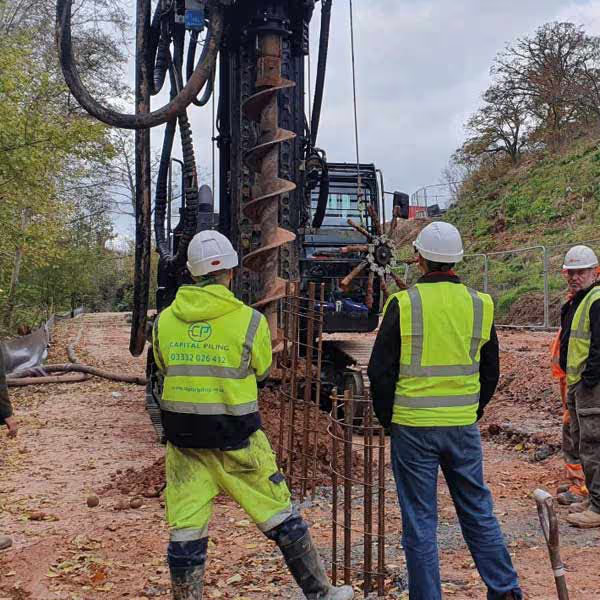
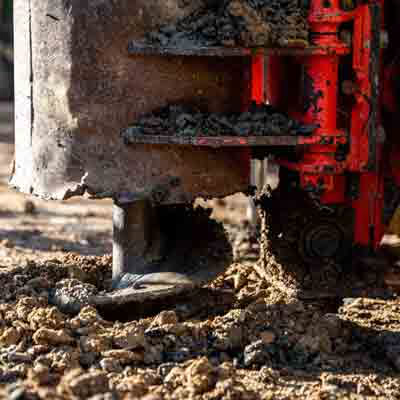
Before the auger reaches design depth the concrete pump is primed and the first truck is ready to discharge. As the auger hits the specified depth pumping begins, with concrete travelling down through the hollow stem and emerging at the base of the bore. The auger is simultaneously withdrawn at a controlled rate matched to the volume of concrete being delivered, so that the concrete level within the bore rises steadily as the auger retreats upwards.
The monitoring system tracks concrete volume against the theoretical bore volume at each depth increment throughout the withdrawal. Where the actual volume being delivered deviates significantly from the theoretical requirement the operator investigates the cause before continuing. Once the auger is fully clear and the bore is filled to the correct level pumping stops and the reinforcement cage is placed into the wet concrete before the mix begins to stiffen.
How pumping requirements change depending on site conditions and project scale
On a residential project with short to medium depth piles in cohesive ground the pumping operation is relatively straightforward provided the mix is correctly specified and the supply is well organised. On a larger commercial scheme with deeper piles and a higher daily output the logistics of maintaining a continuous concrete supply become more demanding and require more detailed advance planning.
Hot weather conditions reduce concrete workability more quickly than cooler temperatures, shortening the window between pumping and cage placement. In these conditions a retarding admixture may be included in the mix design to extend workability, and delivery timing needs to be managed more tightly to avoid concrete sitting in the drum longer than necessary before it is pumped. In chemically aggressive ground, such as soils with elevated sulphate content on brownfield sites, the concrete mix must be specified to resist chemical attack over the design life of the pile, which affects the cement type and overall mix design.
The concrete specification requirements for CFA piling
CFA piling concrete is typically specified to a minimum characteristic compressive strength of C25/30 or C30/37 depending on the structural requirements and exposure conditions. The mix must achieve a slump of 180mm to 220mm or an equivalent flow value to allow it to pump consistently through the auger stem without blockage.
Cement content and water to cement ratio are specified to meet both the strength and durability requirements for the ground conditions on site. Where sulphate bearing soils are identified in the ground investigation, a sulphate resisting Portland cement or a designated mix in accordance with BRE Special Digest 1 is required. Where the pile is in a groundwater environment the mix design must account for the exposure class defined in BS EN 206. Pump pressure is monitored by the rig instrumentation throughout and forms part of the installation record for each pile, with abnormal pressure readings flagged for investigation before installation continues.
Planning the concrete supply and what to do if something goes wrong
Concrete supply logistics need to be planned before piling begins. The volume per pile, the number of piles planned per day, the batch plant turnaround time, and the distance from the plant to the site all determine how many trucks need to be on order at any given time. A gap in supply mid pile is an avoidable problem with the right logistics planning, and the piling contractor should be involved in that planning conversation before mobilisation.
Equipment reliability is also worth thinking through in advance. A pump fault during an active installation needs a clear and immediate response from the site team. Knowing what that response looks like before it is needed is straightforward to arrange and considerably less stressful than working it out under pressure on site. These are the kinds of practical details that experienced piling contractors will have considered as a matter of course, and it is worth asking about them during the pre-construction stage if they have not already been raised.