Providing a Stable Base for Piling Operations
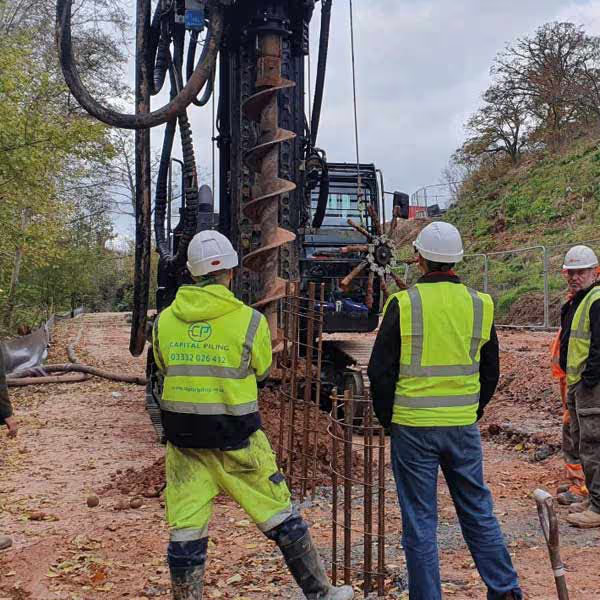
A piling working platform is a specially prepared area of ground designed to support piling rigs and other heavy construction equipment during foundation works. It provides a stable, level, and load-bearing surface that allows plant to operate safely throughout the piling programme.
Because piling rigs are among the heaviest machines used on construction sites, they require ground that can safely withstand significant operational loads. A properly constructed working platform helps prevent instability, improves site safety, and supports efficient construction.
At a high level, creating a piling working platform ensures that heavy equipment has a suitable surface from which to carry out foundation installation.
Supporting Heavy Construction Equipment
Working platforms are designed to provide adequate support for piling rigs, cranes, concrete pumps, and other specialist equipment used during foundation construction. Without a suitable platform, machinery may become unstable or unable to operate safely.
The platform also improves site access and movement, allowing equipment and materials to be transported efficiently around the working area.
A well-prepared platform helps reduce delays, improves productivity, and contributes to safer working conditions throughout the piling process.
Constructing a Safe Working Surface
The process begins with assessing existing ground conditions to determine whether the natural ground can support piling equipment. If required, unsuitable material is removed or improved before platform construction begins.
The working platform is then formed using engineered fill, compacted aggregate, or other suitable materials to create a firm and level surface. The platform is constructed to the required thickness and dimensions based on the expected equipment loads.
Once completed, the platform is inspected to confirm it provides a safe operating surface before piling rigs and associated plant are mobilised onto the site.
Required on Most Piling Projects
Piling working platforms are commonly required on projects involving CFA piling, rotary bored piling, mini piling, and other deep foundation systems that rely on heavy specialist equipment.
They are particularly important on sites with soft, uneven, or previously disturbed ground where the existing surface cannot safely support construction plant.
Working platforms are used on residential, commercial, industrial, and infrastructure projects wherever piling operations require a stable and reliable working area.
Platform Design and Ground Performance
The design of a piling working platform is influenced by factors such as rig weight, ground bearing capacity, groundwater conditions, and anticipated site traffic. These considerations determine the required platform thickness and construction method.
Compaction is carefully controlled during construction to ensure the platform achieves the required load-bearing capacity. Drainage measures may also be incorporated to prevent water accumulation and maintain platform performance.
The finished platform should provide consistent support across the entire working area, allowing piling equipment to operate safely and accurately.
Inspection, Maintenance, and Ongoing Safety
Working platforms should be inspected before piling begins and monitored throughout the project to ensure they remain suitable for heavy plant operations. Any signs of settlement, erosion, or damage should be addressed promptly.
Weather conditions, repeated equipment movements, and changing ground conditions can all affect platform performance, making regular maintenance an important part of site management.
Ultimately, a properly designed and maintained piling working platform provides the stable foundation needed for safe, efficient, and reliable piling operations.