Coordinating Materials Before Foundation Construction
Deliveries and material planning are an important part of site preparation, ensuring that the equipment and construction materials required for piling works arrive safely, on time, and in the correct sequence. Good planning helps prevent delays, reduces congestion on site, and allows piling operations to proceed efficiently.
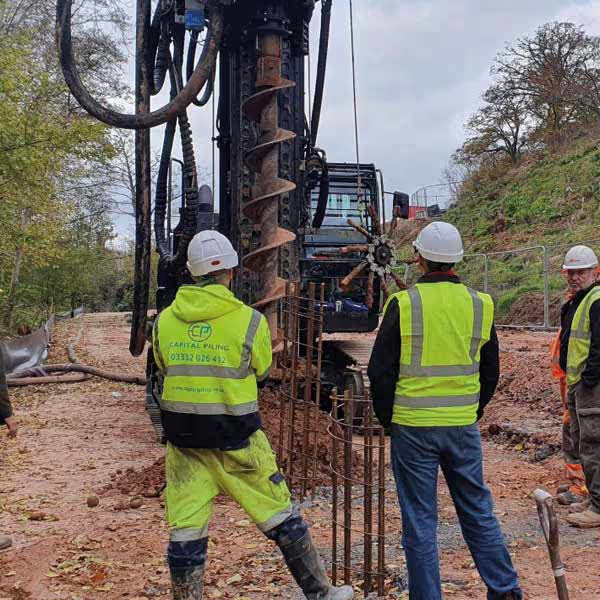
Materials for piling projects can include reinforcement, concrete, steel casings, temporary works materials, and other specialist components, depending on the piling method being used. Delivery schedules should be coordinated with site access, storage capacity, and the construction programme.
At a high level, effective delivery planning ensures that piling works have the resources they need without disrupting other site activities.
Managing Site Logistics
Deliveries should be scheduled to match the construction programme, ensuring that materials arrive when they are needed rather than too early or too late. This helps reduce unnecessary storage requirements and keeps the site organised.
Suitable unloading areas should be identified before deliveries begin, allowing materials to be handled safely and efficiently. Access routes must also be capable of accommodating delivery vehicles without affecting ongoing construction activities.
Careful logistics planning improves productivity by ensuring that materials are available at the right location and at the appropriate stage of the piling works.
Planning and Receiving Construction Materials
The process begins by identifying the materials and equipment required for each phase of the piling programme. Delivery schedules are then coordinated with suppliers, contractors, and site management to ensure that resources arrive in the correct sequence.
When materials arrive on site, they are inspected to confirm that they match the project specifications and have not been damaged during transport. Suitable storage areas are used to protect materials until they are required.
As piling progresses, deliveries continue to be monitored and adjusted to reflect programme changes, material usage, or site constraints.
Required on Every Piling Project
Delivery planning is carried out before and during piling works on residential, commercial, industrial, and infrastructure developments. It forms an essential part of site preparation and ongoing site management.
It is particularly important on projects with restricted access, limited storage space, or busy construction programmes where poor coordination could disrupt foundation works.
Regardless of project size, well-managed deliveries help maintain a steady workflow and reduce unnecessary delays.
Storage, Handling, and Material Control
Materials should be stored on stable ground in designated areas that allow safe access for plant and personnel. Reinforcement, temporary works components, and other construction materials should be protected from damage and contamination where appropriate.
Concrete deliveries are typically scheduled to coincide with construction activities to ensure timely placement and maintain material quality. Delivery vehicles and lifting equipment should also be coordinated to avoid site congestion.
Material quantities, delivery records, and inspection checks are often maintained as part of the project's quality management process.
Keeping the Site Safe and Efficient
Delivery schedules should be coordinated with other site activities to minimise traffic conflicts, maintain safe access routes, and reduce disruption to neighbouring properties where applicable.
Weather conditions, storage capacity, and changes to the construction programme may require delivery dates to be adjusted throughout the project.
Ultimately, effective management of deliveries and materials helps ensure that piling works are completed safely, efficiently, and in accordance with the planned construction programme.