Planning the Handling of Excavated Materials
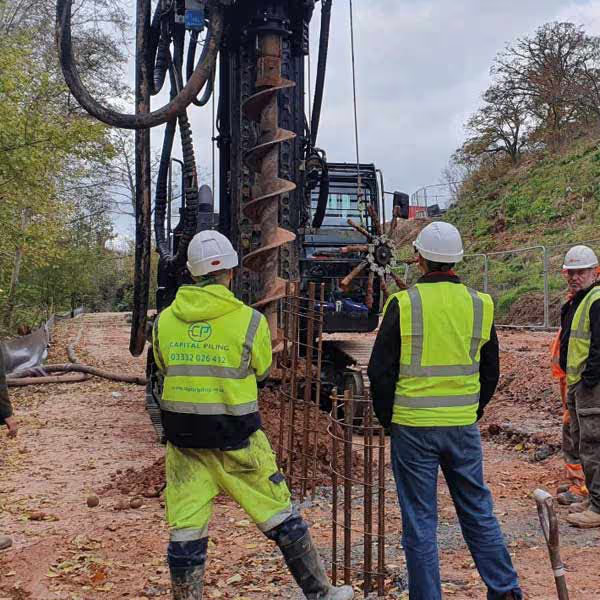
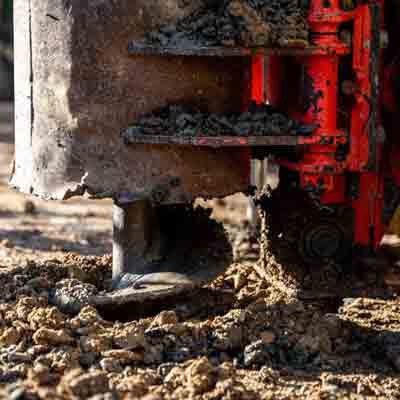
Managing spoil and arisings is an important part of site preparation and foundation construction. During piling and groundworks, soil, rock, concrete, and other excavated materials are generated and must be handled safely, efficiently, and in accordance with the project requirements.
Planning for spoil management before work begins helps keep the construction site organised, maintains safe access routes, and prevents unnecessary delays. It also allows contractors to identify suitable storage, reuse, or disposal methods for excavated materials.
At a high level, effective spoil management supports a cleaner, safer, and more efficient construction site throughout the piling programme.
Organising Excavated Materials
Spoil generated during piling and excavation should be managed in a way that minimises disruption to ongoing construction activities. Designated storage or loading areas help keep working zones clear and maintain safe access for plant and personnel.
Where suitable, excavated material may be reused elsewhere on the site for landscaping, backfilling, or other approved purposes. Materials that cannot be reused are separated and removed using appropriate waste management procedures.
Planning these activities in advance helps improve site efficiency and reduces unnecessary handling of materials.
From Excavation to Removal or Reuse
Before piling and excavation begin, the project team assesses the expected volume and type of spoil that will be generated. Suitable areas are then allocated for temporary stockpiling or direct loading into transport vehicles.
As construction progresses, spoil is removed from active working areas to maintain safe access for piling rigs, excavation equipment, and concrete deliveries. Materials suitable for reuse may be retained on site, while surplus or unsuitable material is transported to approved recycling or disposal facilities.
Throughout the process, site management monitors spoil handling to ensure that materials are managed safely and efficiently.
Required on Most Groundworks Projects
Spoil management is required on projects involving piling, excavation, pile caps, ground beams, and other foundation works. It is a standard part of residential, commercial, industrial, and infrastructure developments.
It is particularly important on constrained sites where storage space is limited and efficient removal of excavated material is necessary to maintain progress.
Early planning helps ensure that spoil management supports rather than delays the construction programme.
Storage, Transport, and Site Logistics
The handling of spoil is influenced by the type of material encountered, available storage space, site access, and transport arrangements. Stockpiles should be positioned to avoid obstructing construction activities or affecting site drainage.
Material movements should be coordinated with deliveries and plant operations to reduce congestion and maintain safe working conditions.
Where required, excavated materials may be assessed to determine whether they are suitable for reuse or require specialist handling before removal from the site.
Safety, Environmental Control, and Efficiency
Spoil management should include measures to control dust, mud, surface water, and vehicle movements, helping to minimise the impact of construction on both the site and surrounding areas.
Regular housekeeping and timely removal of excavated materials help maintain a safe and organised working environment throughout the piling programme.
Ultimately, effective management of spoil and arisings improves site safety, supports efficient construction, and helps ensure that foundation works progress smoothly from start to finish.