Determining the Right Pile Dimensions
Pile diameter and depth are two of the most important factors in the design of a piled foundation. Together, they determine how effectively loads are transferred from a structure into the supporting ground and influence the overall performance of the foundation system.
The required dimensions vary from project to project and are determined by structural loading, ground conditions, and the selected piling method. Engineers assess these factors during the design stage to ensure the piles provide adequate support while remaining practical to construct.
At a high level, selecting the appropriate pile diameter and depth helps create a safe, efficient, and durable foundation solution tailored to the site's requirements.
Factors That Influence Pile Size
The diameter of a pile affects its structural capacity and the amount of load it can safely transfer into the ground. Larger diameters may be appropriate for heavier structures, while smaller diameters can often be suitable for lighter buildings, depending on the ground conditions.
Pile depth is influenced by the location of suitable bearing strata and the engineering requirements of the project. In some cases, piles are designed to transfer loads to stronger ground at greater depths, while in others they rely on a combination of shaft resistance and end bearing.
The final dimensions are established through engineering design using information obtained from the ground investigation and structural calculations.
Designing the Appropriate Pile Geometry
The design process begins with reviewing the ground investigation report to understand the site's soil profile, groundwater conditions, and bearing layers. Structural loading information is then combined with this data to determine the most appropriate pile dimensions.
Engineers evaluate different pile diameters and installation depths to achieve the required foundation performance while considering the selected piling method and construction constraints.
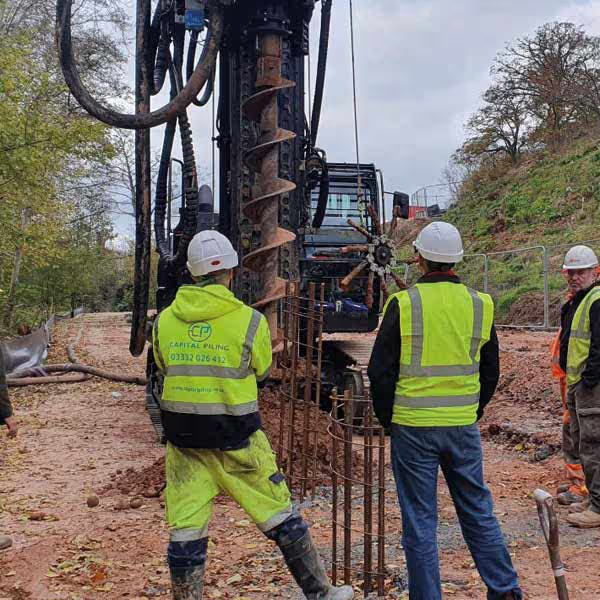
Once the design is complete, the pile dimensions are shown on the structural drawings and used by the piling contractor during installation.
Essential for Every Piled Foundation
Pile diameter and depth are determined for every project that uses piled foundations, including residential, commercial, industrial, and infrastructure developments.
They are particularly important on sites with variable ground conditions, significant structural loads, or where deeper foundations are required to reach suitable bearing strata.
These considerations form part of the design process before construction begins and guide the installation of the piling works.
Engineering Assessment and Design Criteria
Engineers establish pile diameter and depth using structural calculations, geotechnical data, and recognised design standards. The assessment considers factors such as soil strength, groundwater conditions, settlement behaviour, and the interaction between the pile and the surrounding ground.
The selected dimensions must also be compatible with the chosen piling method, reinforcement requirements, and the overall foundation layout, ensuring that the completed system performs as intended.
Quality assurance during construction helps verify that the installed piles meet the dimensions specified in the approved design documentation.
Balancing Performance and Constructability
Selecting the correct pile diameter and depth requires a balance between engineering performance and practical construction considerations. Site access, equipment capability, working space, and the construction programme may all influence the final design.
If unexpected ground conditions are encountered during installation, the engineer may review the design to confirm that the specified dimensions remain appropriate or determine whether adjustments are required.
Ultimately, carefully designed pile diameters and depths help ensure that the foundation safely supports the structure, performs reliably over the long term, and is suited to both the site conditions and the construction process.