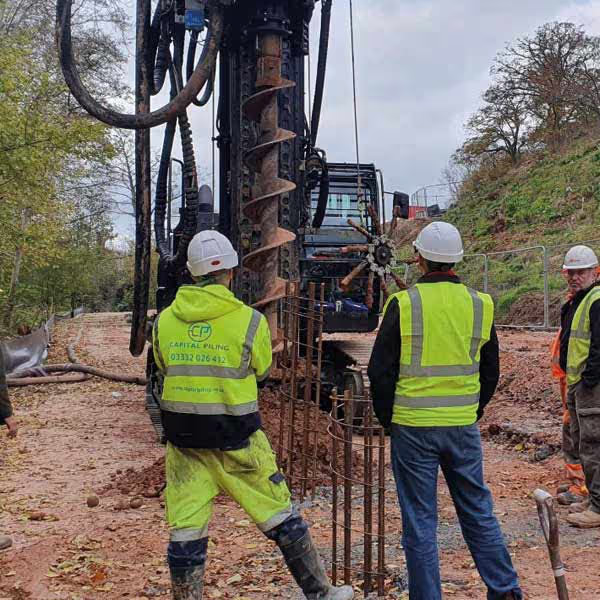
Defining the Foundation Design Requirements
Structural engineers play a central role in the design of piled foundations by determining how the building loads should be supported and transferred safely into the ground. Their requirements form the basis of the piling design, ensuring that the completed foundation system meets the structural needs of the project.
Working alongside geotechnical engineers and piling specialists, structural engineers use information from the building design and ground investigation to specify the foundation arrangement. This includes the pile layout, design loads, connection details, and other structural requirements needed for construction.
At a high level, the structural engineer defines the technical requirements that allow the piling system to safely support the completed structure.
Information Required for Foundation Design
Structural engineers specify the loads that the foundations must support, including those from walls, columns, floors, and other structural elements. These design loads are used to determine the size, number, and arrangement of the piles.
They also provide foundation drawings showing pile locations, pile caps, ground beams, reinforcement details, and structural levels. These documents guide both the piling contractor and the groundworks team during construction.
Close coordination with the geotechnical engineer ensures that the structural design is compatible with the site's ground conditions and the selected piling method.
From Structural Design to Construction
The process begins with the structural engineer reviewing the architectural design, loading information, and the findings of the ground investigation report. Using this information, the engineer develops the foundation design and prepares the relevant structural drawings and specifications.
These documents are used by the piling contractor to install the piles in the correct locations and by the groundworks contractor to construct pile caps, ground beams, and other foundation elements.
During construction, the structural engineer may review technical queries, assess any proposed design changes, and confirm that the completed works remain consistent with the approved design intent.
Required on All Piled Foundation Projects
Structural engineer requirements apply to every project involving piled foundations, including residential, commercial, industrial, and infrastructure developments.
They are particularly important on projects with complex structural layouts, significant building loads, or challenging ground conditions where detailed engineering coordination is essential.
The engineer's requirements are established during the design stage and remain relevant throughout the construction process.
Drawings, Calculations, and Design Coordination
Structural engineers prepare calculations and drawings that define pile locations, design loads, reinforcement requirements, connection details, and construction tolerances. These documents form part of the project's engineering information.
The structural design is coordinated with geotechnical recommendations, ensuring that the foundation system is appropriate for the site's soil conditions and intended building performance.
Where required, engineers also review construction records, survey information, and quality assurance documentation to verify that the completed foundation has been built in accordance with the approved design.
Communication Throughout the Project
Successful piling projects rely on ongoing communication between the structural engineer, geotechnical engineer, piling contractor, surveyors, and site management team. Early coordination helps prevent design conflicts and supports efficient construction.
If site conditions differ from those anticipated during the design stage, the structural engineer should review the information and determine whether any changes to the foundation design are necessary.
Ultimately, the structural engineer's requirements provide the framework for a safe, coordinated, and reliable piled foundation system, ensuring that the structure is supported in accordance with the project's engineering objectives.