Providing a Safe Foundation for Piling Operations
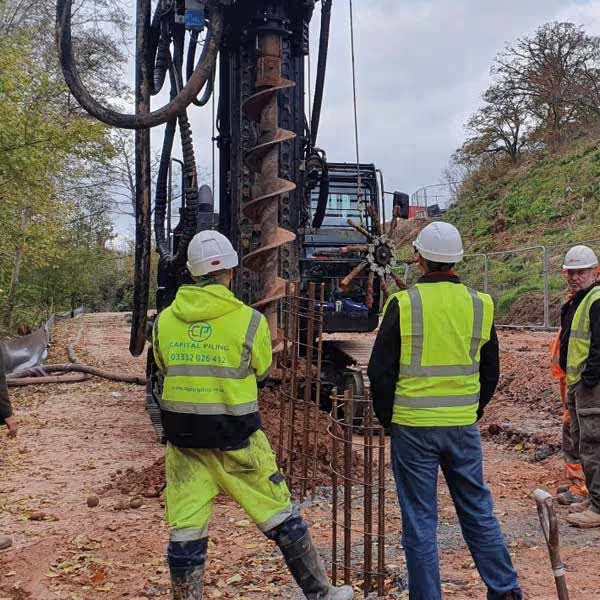
Working platforms are specially prepared areas of ground designed to support piling rigs and associated construction plant during foundation works. They provide a stable and level surface that allows heavy equipment to operate safely and efficiently throughout the piling programme.
Because piling rigs impose significant loads on the ground, the underlying surface must be capable of supporting these loads without excessive settlement, instability, or failure. A properly constructed working platform helps reduce operational risks and improves site safety.
At a high level, the purpose of a working platform is to create suitable ground conditions for piling equipment, regardless of the existing site conditions.
Why Working Platforms Are Required
Piling rigs are among the heaviest pieces of equipment used on construction sites and require a stable operating surface to function safely. Uneven or inadequate ground conditions can increase the risk of equipment instability and operational delays.
Working platforms help distribute equipment loads across the ground and provide consistent support for rig movement and positioning. They also create safer access routes for plant, operatives, and material deliveries.
By establishing a dedicated piling platform, construction teams can improve productivity while reducing the likelihood of ground-related issues during foundation installation.
Creating a Stable Surface for Heavy Plant
The construction of a working platform typically begins with an assessment of existing ground conditions and anticipated equipment loads. Based on this information, the platform is designed to provide adequate support for the piling rigs that will operate on site.
The platform may include engineered fill, compacted aggregate, geotechnical materials, or other stabilisation measures depending on the ground conditions and project requirements. The finished surface is generally level and designed to facilitate safe rig operation.
Once complete, the platform provides a controlled working environment where piling activities can be carried out safely and efficiently across the site.
Essential for Most Piling Projects
Working platforms are commonly required on projects involving CFA piling, rotary bored piling, mini piling, and other foundation installation methods that utilise heavy specialist equipment.
They are particularly important on sites with weak, variable, or previously disturbed ground where existing conditions may not be capable of supporting piling rigs safely.
Whether the project is residential, commercial, industrial, or infrastructure-related, a properly designed working platform is often a key requirement before piling works can begin.
Design Considerations for Platform Construction
The design of a working platform is influenced by factors such as rig weight, ground bearing capacity, groundwater conditions, and anticipated traffic movements. These considerations help determine the required platform thickness and construction method.
Geotechnical information is often used to assess the suitability of the existing ground and identify whether additional stabilisation measures are required. Drainage may also be incorporated to help maintain platform performance during adverse weather conditions.
Platform design should take into account the specific equipment being used, ensuring that the surface can safely accommodate operational loads throughout the piling programme.
Inspection, Maintenance, and Site Safety
Working platforms should be regularly inspected throughout the project to ensure they remain suitable for ongoing piling operations. Damage, soft spots, or deterioration can affect safety and should be addressed promptly.
Weather conditions, site traffic, and changing ground conditions may all influence platform performance over time. Ongoing monitoring helps identify issues before they impact construction activities.
Ultimately, a well-designed and properly maintained working platform plays a vital role in supporting safe, efficient, and reliable piling operations on site.