Mini piling guides
Clear, practical guidance on piling methods, groundworks, site preparation and technical advice.
%20-%20Copy.jpg)
Ground Conditions
Weak soil can lead to excessive settlement, uneven foundation movement, low load-bearing capacity, and structural cracking. Mini piling transfers loads past these weak layers to stronger, more stable ground below, reducing settlement risk and creating a secure foundation.
Running sand is a loose, water-saturated soil condition that can collapse into excavations, making conventional foundation work difficult and unsafe. Mini piling provides a reliable solution by transferring structural loads through the unstable sand layer to stronger ground below, ensuring a stable and secure foundation.
High groundwater levels can flood excavations and weaken soil stability, which can cause delays or shaft instability if not properly managed. Mini piling helps overcome this by allowing deep foundation installation with minimal disturbance, safely transferring loads to stable strata below the water-affected ground.
Variable strata means inconsistent soil layers with changing strength, density, or composition. Unlike traditional strip or pad foundations, which rely on consistent ground near the surface, mini piling bypasses these weak or inconsistent layers and anchors into stable ground below, ensuring a uniform and reliable load transfer.
Site Constraints
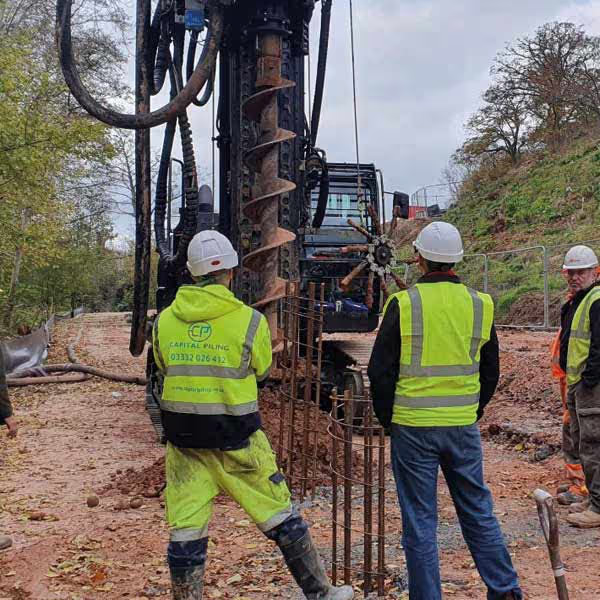
Restricted access sites have limited space for machinery, materials, or excavation, making traditional foundation methods difficult or impossible to use. Mini piling is ideal in these conditions as it uses compact equipment that can operate in tight or confined areas while still achieving deep, stable foundations.
Low headroom conditions, such as basements, existing buildings, bridges, or confined indoor spaces, can prevent the use of conventional piling rigs. Mini piling is well suited to these environments, using specialist low-headroom equipment to install deep foundations where vertical clearance is limited.
Tight urban sites often have limited working space, neighbouring structures, and restricted access for large construction equipment. Mini piling provides an effective foundation solution by using compact rigs that can operate in confined areas while minimising disruption to surrounding buildings and infrastructure.
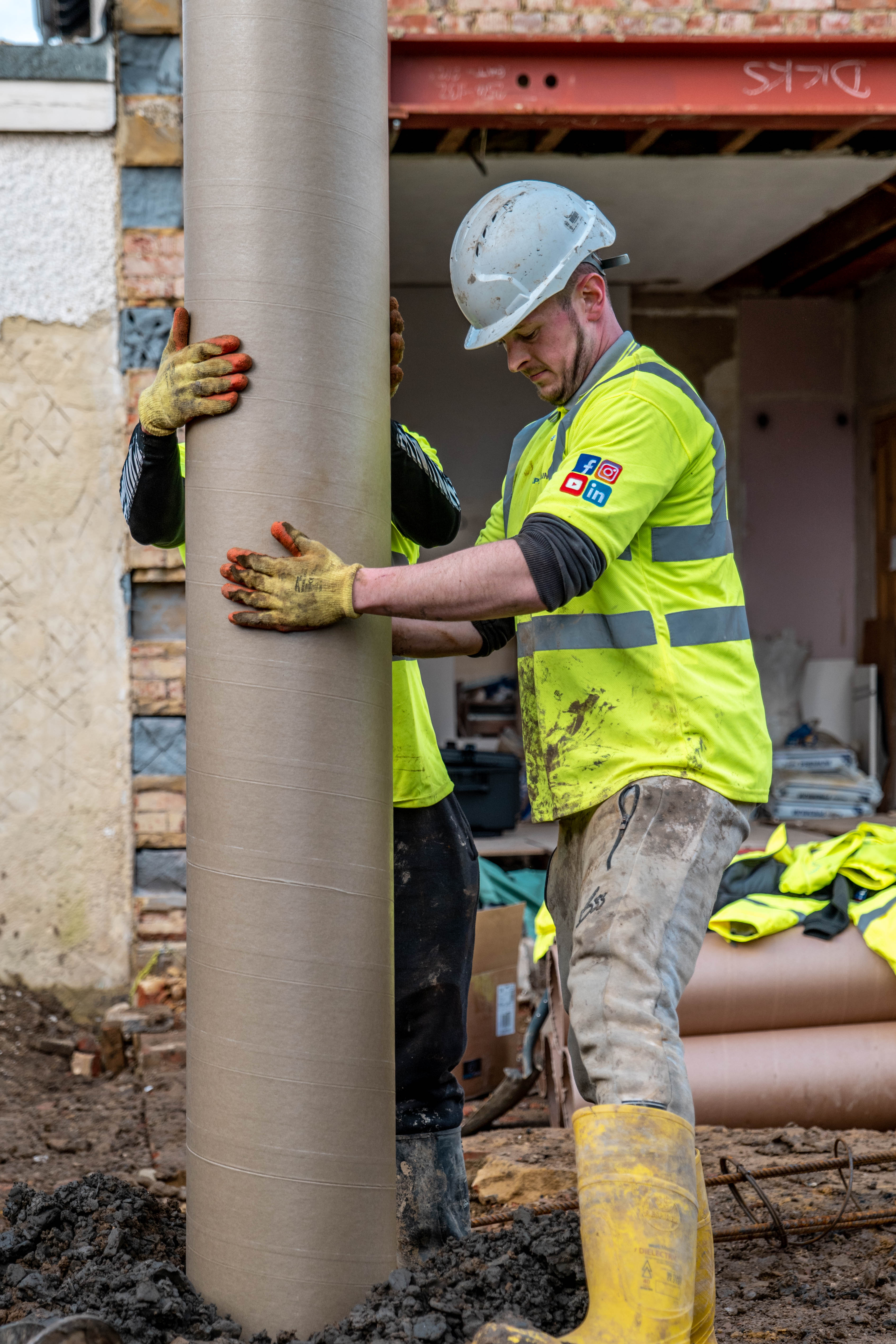
Working inside existing buildings can limit access, headroom, and the use of large foundation equipment. Mini piling is ideal for these projects, as compact rigs can operate within confined indoor spaces to install deep foundations with minimal disruption to the structure and occupants.
Installation Challenges
Underground obstructions such as old foundations, buried concrete, utilities, rocks, and debris can disrupt piling operations and cause costly delays. Mini piling can often be adapted to work around or penetrate these obstacles using specialist drilling techniques, ensuring foundations are installed safely and efficiently.
Pile refusal happens when a pile meets excessive resistance, such as hard ground, dense strata, or an obstruction, and can't reach the required depth by standard means. Mini piling uses specialist rigs and adapted techniques to work through this resistance and achieve a stable founding depth.
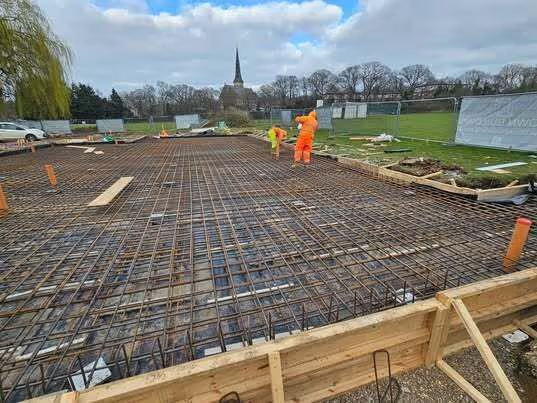
Reinforcement placement issues occur when steel cages or bars are difficult to position correctly inside drilled piles.Mini piling allows controlled installation, ensuring reinforcement is accurately placed for proper structural strength.
Concrete placement problems can occur due to restricted access, ground collapse, or poor flow within the pile shaft. Capital Piling uses specialist equipment and controlled pouring methods, with the mix and installation approach confirmed to suit your project at site visit stage, to ensure a solid, uniform pile.
What happens if ground conditions differ from the investigation report?
If unexpected conditions are encountered, works are paused, the issue is assessed, and a solution is agreed with the engineer and client before proceeding.
How long does piling usually take?
Most residential piling works are completed within a few days. Larger or more complex projects may take longer depending on scope and conditions.
How deep do piles typically go?
Pile depth depends on ground conditions and load requirements.It's determined using ground investigation data and confirmed as part of the piling design.
Does piling cause vibration or noise?
Some piling methods generate vibration or noise, but modern equipment and controlled installation techniques help keep this within acceptable limits.