Spoil Removal
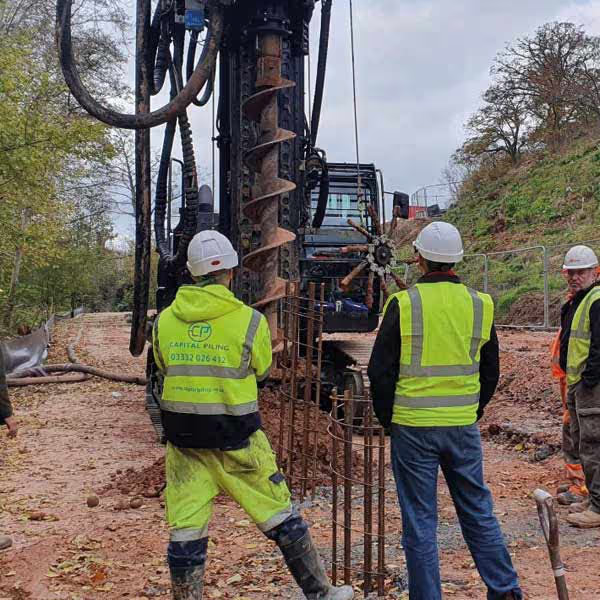
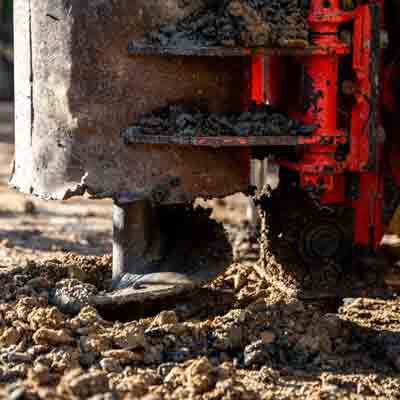
Spoil removal is a necessary part of the open bore piling process, involving the handling and removal of soil that is excavated during drilling. As the auger advances and forms the borehole, material is brought to the surface and must be managed efficiently to keep the site safe and workable.
Although it’s often seen as a secondary task, spoil removal plays an important role in maintaining progress on site and ensuring that piling operations can continue without interruption.
Why Spoil Management Matters
Effective spoil removal is essential for keeping the working area clear and maintaining a smooth installation process.
If spoil is not managed properly, it can build up quickly around the piling rig, restrict movement on site and slow down operations. It can also create safety risks if access routes become obstructed or working areas become uneven.
A well-organised approach to spoil management helps keep the site efficient and reduces unnecessary delays.
How Spoil Is Removed
As drilling takes place, spoil is brought to the surface by the auger and deposited around the rig. This material is then collected and moved away from the immediate working area using appropriate plant and equipment.
Depending on the site, spoil may be temporarily stored before being removed from site, or it may be taken away continuously as piling progresses. The approach is usually determined by space, access and overall site logistics.
Keeping this process coordinated with drilling operations helps maintain a steady workflow.
Site Conditions and Constraints
Spoil removal is required on all open bore piling projects, but how it is managed will vary depending on the site.
On larger or open sites, there is often more flexibility for storing and handling material. On restricted access projects, space can be limited, which means spoil needs to be removed more frequently to keep the area clear.
In urban environments or residential settings, additional consideration may also be needed to minimise disruption and maintain clean working conditions.
Planning and Site Coordination
Managing spoil effectively requires coordination between the piling operation and the overall site setup.
Considerations include access for removal vehicles, available space for temporary storage and the type of material being excavated. Some soils are easier to handle than others, and ground conditions can influence how quickly spoil accumulates.
Planning these elements in advance helps ensure that spoil removal does not become a bottleneck during installation.
Practical Considerations on Site
Poor spoil management can affect both productivity and safety.
If material is allowed to accumulate, it can restrict access for equipment and operatives, increasing the risk of delays. It can also make it more difficult to maintain a clean and organised site.
By keeping spoil removal aligned with the pace of drilling, it is possible to maintain a consistent workflow and avoid unnecessary disruption throughout the piling process.