Typical Project Timelines
The duration of a mini piling project can vary depending on the size of the project, ground conditions, and site constraints. Mini piling is generally a fast and efficient foundation solution. That said, the timeline is influenced by both design and installation factors.
Understanding what affects programme duration helps set realistic expectations before work begins.
Typical Timeframes for Mini Piling Works
For most projects, mini piling installation is completed within a relatively short period.
- Small residential extensions are typically completed within two to five days.
- Some straightforward domestic projects may be completed in as little as two to three days.
- Larger residential or new build projects may take four to ten days, depending on scale.
- More complex or commercial projects can extend to several weeks. For instance, where extra design, testing, or constraints are involved.
These timeframes relate primarily to the piling works themselves. They do not include pre-construction design or follow-on works such as ground beams or slabs.
What Affects Project Duration
The timeline for mini piling is not fixed and will vary from site to site.
Key factors include:
- Ground conditions
Difficult or variable soils may demand deeper piles or changes in method, which can slow installation - Number of piles
Larger projects with more piles will naturally take longer to complete - Pile depth and diameter
Deeper or larger diameter piles need more time to install - Access and site constraints
Restricted access, limited working space, or internal works can reduce installation speed - Obstructions below ground
Existing foundations, services, or made ground can affect progress. They may need adjustments during installation.
Installation Speed on Site
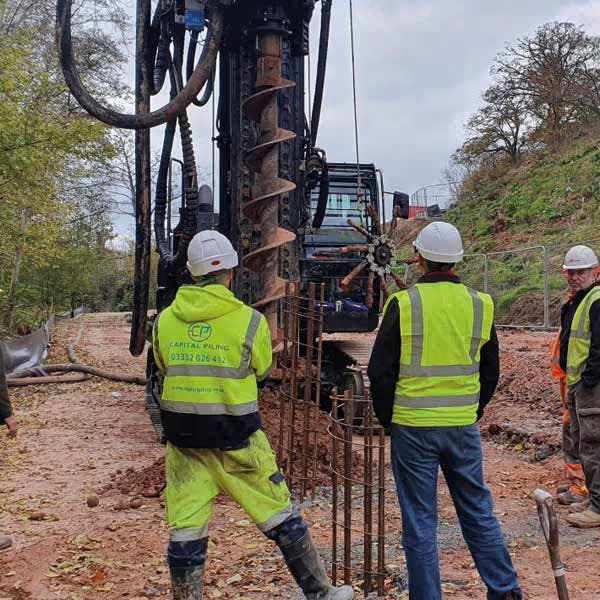
Mini piling is generally faster than traditional piling methods. This is due to the use of compact rigs and reduced setup requirements.
On a typical site:
- A piling rig can install many piles per day, depending on depth and method
- Works are usually continuous once installation begins
- Minimal excavation reduces preparation time
This efficiency is one of the main reasons mini piling is widely used on residential and constrained sites.
Design and Pre-Construction Period
Before installation begins, time is required for design, planning, and approvals.
This may include:
- Reviewing drawings and structural loads
- Assessing ground conditions
- Finalising pile design and layout
- Arranging access and scheduling works
The duration of this stage varies depending on the level of information available. It also rests on whether a ground investigation has been carried out.
Post-Installation Works
Once piling is complete, extra work is typically required before construction can continue.
These may include:
- Pile cropping
- Installation of ground beams or slabs
- Building control inspections and approvals
Piling itself is relatively quick. That said, these follow-on stages should be considered as part of the project programme.
Working to Programme
Mini piling is often selected because it allows projects to progress quickly. This is particularly the case on sites where traditional foundations would cause delays.
However, realistic programming takes into account both installation and external factors. These include weather, access, and coordination with other trades.
A Fast but Site-Dependent Process
Mini piling is a fast and efficient foundation solution, with most residential projects completed within a matter of days. However, every project is different. Timelines will vary depending on ground conditions, site constraints, and project scope.
Understanding these factors helps teams plan realistically and deliver on time.
Do You Need More Information?
Would you like to discuss project timelines or programme requirements? If so, a specialist contractor such as Capital Piling can review your drawings. From this, we can suggest expected durations based on your specific site conditions.