SFA piling guides
Clear, practical guidance on piling methods, groundworks, site preparation and technical advice.

Ground & Geology Issues
Variable strata and soft spots can cause inconsistent bearing capacity and uneven pile performance.SFA piling adapts to changing ground conditions to achieve reliable load transfer into competent layers.
Running sand and loose granular soils can collapse during drilling and make bore formation unstable.SFA piling uses controlled drilling techniques to stabilise the bore and achieve secure foundation installation.
High groundwater can weaken soil stability and cause borehole flooding during piling works.SFA piling manages groundwater conditions through controlled methods to ensure safe and stable installation.
Unstable ground conditions can lead to bore collapse during drilling and compromise pile formation.SFA piling uses stabilised drilling techniques to maintain bore integrity and ensure safe foundation construction.
Contaminated ground can affect excavation safety and require careful handling during piling works.SFA piling allows controlled installation methods to safely manage and isolate contaminated soil conditions.
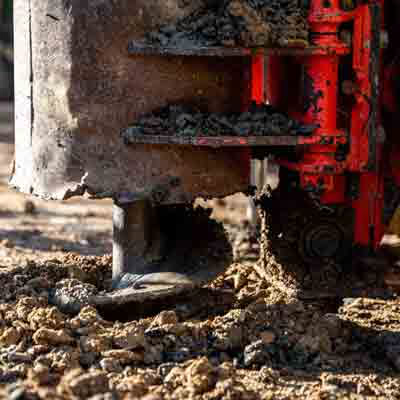
Obstructions and boulders in the ground can block drilling progress and damage equipment.SFA piling uses robust drilling methods to break through or bypass obstructions for successful installation.
Site & Access Constraints
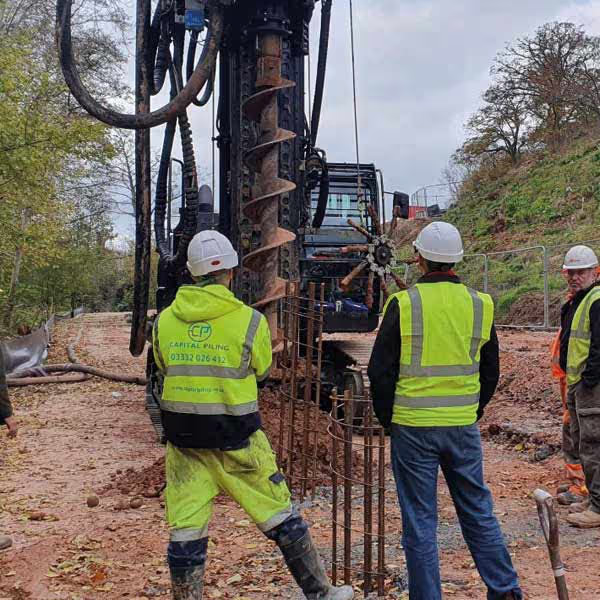
Restricted access sites limit space for machinery, materials, and piling operations.SFA piling uses compact rigs designed to operate efficiently in tight or confined site conditions.
Low headroom conditions restrict the use of standard piling rigs due to limited vertical clearance.SFA piling uses specialised low-headroom equipment to install foundations in confined vertical spaces.
Noise and vibration restrictions limit the use of disruptive piling methods near sensitive areas.SFA piling is designed to reduce disturbance while maintaining efficient and controlled installation.
Working close to existing buildings requires careful control to avoid structural damage or disturbance.SFA piling provides low-impact installation methods suitable for safe construction next to existing structures.
Overhead services and utilities can restrict equipment movement and create safety risks on site.SFA piling is carefully planned and controlled to operate safely around existing services and infrastructure.
Basements and retaining walls limit access and increase the risk of structural disturbance during piling.SFA piling allows precise installation in confined areas while protecting existing underground structures.
Installation & QA Challenges
Pile refusal or slow progress can occur when hard layers or obstructions are encountered during drilling.SFA piling uses adaptable drilling techniques to maintain progress and achieve required design depth.
Overbreak or oversized bores can reduce pile efficiency and affect load transfer performance.SFA piling controls drilling parameters to maintain bore integrity and achieve accurate pile dimensions.
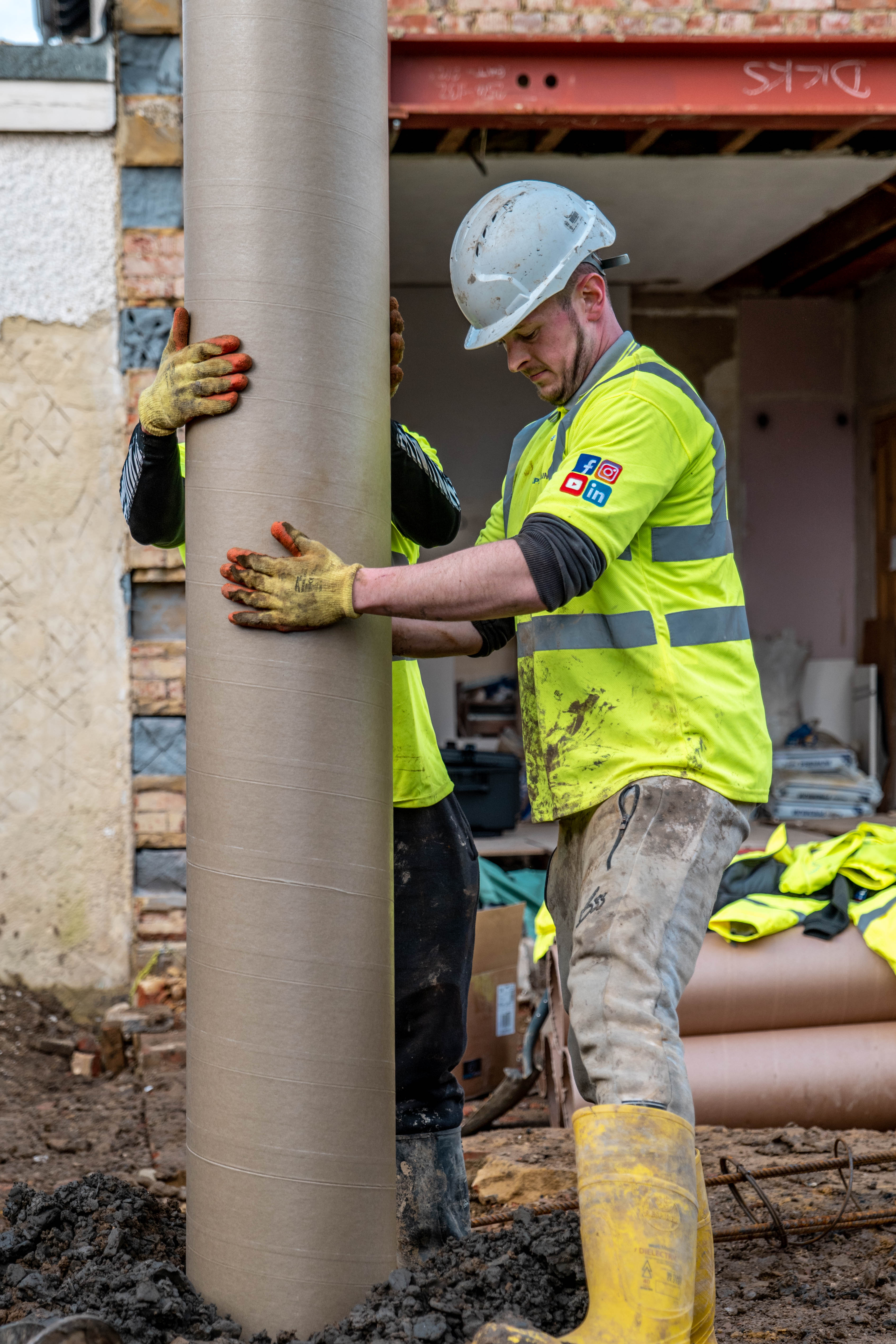
Concrete placement issues can lead to voids, segregation, or inconsistent pile quality.SFA piling uses controlled placement methods to ensure uniform, high-quality concrete installation.
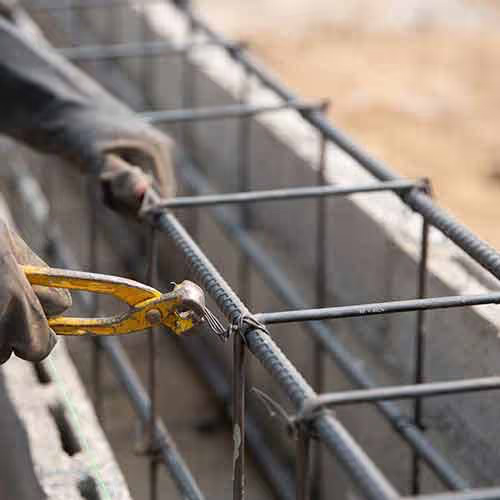
Cage placement or cover issues occur when reinforcement sits too close to the pile edge or shifts during concreting, reducing durability and structural performance. SFA piling uses centralisers and controlled installation to maintain correct cover and cage position throughout.
Pile integrity issues can arise from defects such as voids, cracks, or poor concrete quality.SFA piling uses controlled installation and QA checks to ensure strong, reliable, and compliant piles.
Incomplete records or testing gaps can make it difficult to confirm pile performance and compliance.SFA piling includes proper documentation, testing, and remedial solutions to ensure verified foundation quality.
What happens if ground conditions differ from the investigation report?
If unexpected conditions are encountered, works are paused, the issue is assessed, and a solution is agreed with the engineer and client before proceeding.
How long does piling usually take?
Most residential piling works are completed within a few days. Larger or more complex projects may take longer depending on scope and conditions.
How deep do piles typically go?
Pile depth depends on ground conditions and load requirements.It's determined using ground investigation data and confirmed as part of the piling design.
Does piling cause vibration or noise?
Some piling methods generate vibration or noise, but modern equipment and controlled installation techniques help keep this within acceptable limits.